The Chakra System Explained Scientifically: Where Ancient Wisdom Meets Modern Science

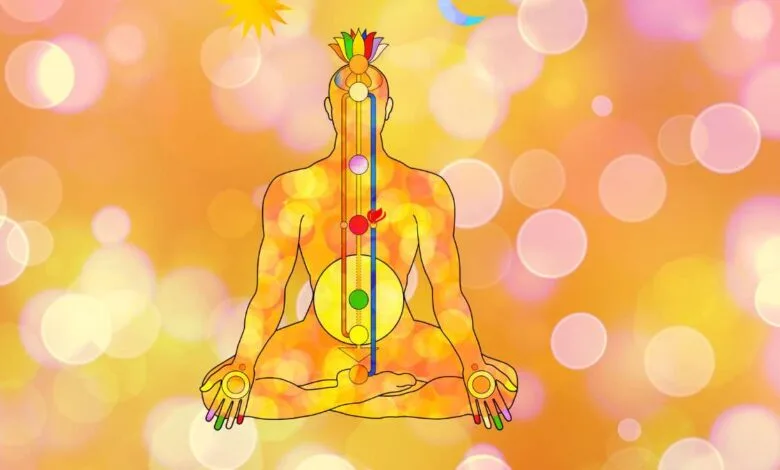
For thousands of years, practitioners of yoga, meditation, and Ayurveda have explored the chakra system as a map of human consciousness and vitality. These seven energy centers, or chakras, were traditionally understood through spiritual and energetic frameworks. But what does modern science say about chakras? Are they merely metaphysical concepts, or is there a biological foundation that can explain their significance?
In this comprehensive guide, we will explore the chakra system through a scientific lens, examining the neurological, endocrine, electromagnetic, and psychological correlations that bridge ancient wisdom with contemporary research. Whether you’re a skeptic, a seeker, or simply curious about the intersection of spirituality and science, this article will illuminate how chakras might actually work within our physical body.
Understanding the Chakra System: An Overview
The word ‘chakra’ comes from Sanskrit, meaning ‘wheel’ or ‘disk.’ In traditional yogic philosophy, chakras are described as spinning vortices of energy located along the central channel of the body, known as the sushumna nadi. These energy centers are believed to govern different aspects of our physical, emotional, mental, and spiritual well-being.
The seven main chakras are positioned from the base of the spine to the crown of the head, each associated with specific colors, elements, functions, and consciousness levels. While this may sound purely esoteric, emerging research in neuroscience, psychoneuroimmunology, and biofield science suggests there may be measurable physiological correlates to these ancient energy centers.
The Seven Chakras and Their Scientific Correlations
1. Muladhara (Root Chakra): The Foundation of Survival
Location: Base of the spine, pelvic floor
Color: Red
Element: Earth
Scientific Correlation:
The root chakra corresponds to the sacral plexus and the adrenal glands, which produce cortisol and adrenaline—hormones directly linked to our fight-or-flight response. When we feel unsafe or unstable, these glands activate, creating the physiological sensations of fear and anxiety that ancient texts attribute to a blocked root chakra.
From a neuroscientific perspective, this chakra relates to the brainstem and the limbic system, particularly the amygdala, which governs survival instincts, basic needs, and our sense of security. The vagus nerve, which runs through this region, plays a crucial role in regulating the parasympathetic nervous system and our stress response.
Research in trauma psychology has shown that individuals with unresolved trauma often experience chronic activation of the stress response system, manifesting as hypervigilance, anxiety, and disconnection from the body—symptoms remarkably similar to traditional descriptions of root chakra imbalance.
2. Svadhisthana (Sacral Chakra): The Center of Creativity and Emotion
Location: Lower abdomen, below the navel
Color: Orange
Element: Water
Scientific Correlation:
The sacral chakra is associated with the reproductive organs and the gonads (ovaries and testes), which produce sex hormones like estrogen, progesterone, and testosterone. These hormones influence not only reproduction but also mood, creativity, and emotional expression.
This area houses the sacral plexus, a network of nerves that controls the reproductive and urinary systems. Additionally, the gut contains the enteric nervous system, often called the ‘second brain,’ which produces about 90% of the body’s serotonin—a neurotransmitter critical for emotional regulation and well-being.
The concept of ‘gut feelings’ has scientific backing through the gut-brain axis, a bidirectional communication system between the gastrointestinal tract and the central nervous system. Emotional experiences often manifest as sensations in this region, supporting the traditional understanding of the sacral chakra as an emotional center.
3. Manipura (Solar Plexus Chakra): The Seat of Personal Power
Location: Upper abdomen, stomach area
Color: Yellow
Element: Fire
Scientific Correlation:
The solar plexus chakra corresponds to the celiac plexus, the largest autonomic nerve center in the abdominal cavity. This network regulates digestive organs including the pancreas, liver, and stomach.
The pancreas produces insulin and glucagon, hormones that regulate blood sugar and energy metabolism. This directly relates to the chakra’s traditional association with personal power, willpower, and vitality. When blood sugar is dysregulated, people often experience fatigue, brain fog, and lack of motivation—classic signs of solar plexus imbalance.
Furthermore, the solar plexus region contains a high concentration of neurons and neurotransmitters. Stress and emotional turmoil commonly manifest here as ‘butterflies’ or tension, demonstrating the intimate connection between this physical area and our sense of confidence and self-worth.
4. Anahata (Heart Chakra): The Bridge Between Physical and Spiritual
Location: Center of the chest
Color: Green
Element: Air
Scientific Correlation:
The heart chakra is associated with the cardiac plexus and the thymus gland. The thymus plays a crucial role in immune function and T-cell production, particularly important during childhood development.
Remarkably, research from the HeartMath Institute has demonstrated that the heart generates the strongest electromagnetic field in the body, approximately 5,000 times stronger than that of the brain. This field can be measured several feet away from the body and changes based on emotional states. When we experience love, gratitude, or compassion, heart rate variability increases coherence, promoting physical health and emotional well-being.
The vagus nerve, which connects the heart to the brain, facilitates what neuroscientists call ‘neuroception’—the subconscious detection of safety or threat. This connection explains why emotional experiences like heartbreak can manifest as physical chest pain, and why practices like loving-kindness meditation improve both cardiac and mental health.
5. Vishuddha (Throat Chakra): The Center of Communication
Location: Throat
Color: Blue
Element: Ether/Space
Scientific Correlation:
The throat chakra corresponds to the pharyngeal plexus and the thyroid and parathyroid glands. The thyroid regulates metabolism, energy production, and calcium balance through hormones like thyroxine (T4) and triiodothyronine (T3).
Thyroid dysfunction is often linked to suppressed emotions and unexpressed feelings. Research in psychosomatic medicine has found correlations between chronic throat tension, voice disorders, and emotional repression—conditions that traditional chakra theory would attribute to throat chakra blockages.
The throat also houses the larynx and vocal cords, controlled by the vagus nerve and recurrent laryngeal nerve. Speech and vocalization are complex processes involving Broca’s area in the brain, demonstrating the intricate mind-body connection at this energy center. The ability to speak our truth, both literally and figuratively, requires integration of thought, emotion, and physical expression.
6. Ajna (Third Eye Chakra): The Seat of Intuition and Insight
Location: Between the eyebrows
Color: Indigo
Element: Light
Scientific Correlation:
The third eye chakra is associated with the pineal gland, a small endocrine gland located in the center of the brain. The pineal gland produces melatonin, which regulates circadian rhythms and sleep-wake cycles.
Fascinatingly, the pineal gland contains photoreceptor cells similar to those in the retina, leading some researchers to call it a ‘third eye’ in literal terms. Ancient texts describing this chakra as an organ of perception may have intuited something modern science is only beginning to understand.
This region also corresponds to the pituitary gland, the ‘master gland’ of the endocrine system, which regulates growth, metabolism, and other hormonal functions throughout the body. Additionally, the prefrontal cortex, located just behind the forehead, governs executive functions like decision-making, self-awareness, and future planning—capacities traditionally attributed to a developed third eye chakra.
Research on meditation and contemplative practices has shown increased activity and connectivity in brain regions associated with the third eye area, particularly in the prefrontal cortex and default mode network, supporting the traditional emphasis on meditation for activating this chakra.
7. Sahasrara (Crown Chakra): The Gateway to Higher Consciousness
Location: Top of the head
Color: Violet or White
Element: Thought/Consciousness
Scientific Correlation:
The crown chakra corresponds to the cerebral cortex, particularly the parietal lobe, which integrates sensory information and contributes to our sense of self and spatial awareness.
Neuroscientific studies of meditation and spiritual experiences have identified specific patterns of brain activity associated with transcendent states. Research by Dr. Andrew Newberg on Franciscan nuns and Buddhist monks showed decreased activity in the parietal lobe during deep meditation, correlating with experiences of unity consciousness and dissolution of the ego-self boundary—the very states described as crown chakra activation in traditional texts.
The crown chakra also relates to the production of consciousness itself, a phenomenon that neuroscience is still working to fully explain. The integration of information across multiple brain regions, facilitated by the thalamus and cortical networks, creates our subjective experience of awareness—what yogic philosophy would call the expression of pure consciousness through the crown chakra.
The Scientific Framework: How Chakras Might Actually Work
The Nervous System Connection
Each chakra location corresponds to major nerve plexuses in the body. A nerve plexus is a network of intersecting nerves that serve particular regions. The alignment of chakras with these plexuses suggests that ancient yogis may have been mapping the nervous system through direct experiential observation.
The autonomic nervous system, divided into sympathetic (arousal) and parasympathetic (relaxation) branches, runs through these same regions. Practices like pranayama (breathwork), meditation, and yoga asanas that focus on specific chakras may directly influence autonomic nervous system regulation, explaining their therapeutic effects on stress, anxiety, and mood disorders.
The Endocrine System and Hormonal Regulation
The endocrine glands associated with each chakra produce hormones that regulate virtually every bodily function. Hormones are chemical messengers that influence mood, energy, metabolism, growth, reproduction, and stress response.
The remarkable correspondence between chakra locations and endocrine glands suggests that practices targeting specific chakras may influence hormonal balance. For example, yoga poses that stimulate the thyroid (throat chakra) or practices that calm the adrenals (root chakra) may have measurable effects on hormone levels and overall health.
Modern research in psychoneuroimmunology has confirmed that mental states, emotions, and consciousness directly affect hormonal secretion, creating a scientific basis for understanding how energetic or meditative practices could influence physical health through the chakra-endocrine connection.
Bioelectromagnetic Fields and Energy Centers
The human body generates measurable electromagnetic fields. The heart produces the strongest field, but the brain and other organs also emit electromagnetic radiation. These fields can be detected using technologies like electrocardiography (ECG) and electroencephalography (EEG).
Some researchers have proposed that chakras may represent areas of concentrated bioelectromagnetic activity. Studies using techniques like gas discharge visualization (GDV) photography and biofield imaging have suggested patterns of energy emission that correspond to traditional chakra locations, though this research remains controversial and requires more rigorous scientific validation.
Quantum biology, an emerging field, suggests that quantum effects may play a role in biological processes, potentially including consciousness and energy transfer within living systems. While speculative, this opens intriguing possibilities for understanding subtle energy systems like chakras from a physics-based perspective.
The Fascia Network and Information Transfer
Recent research has highlighted the importance of fascia, the connective tissue that forms a three-dimensional web throughout the body. Fascia contains mechanoreceptors and is richly innervated, making it a potential pathway for information transfer and sensory integration.
The fascial system may provide a physical substrate for the nadis (energy channels) described in yogic anatomy. Fascial restrictions and adhesions could correspond to energy blockages, while fascial release through practices like yoga or bodywork might facilitate the free flow of both physical and subtle energies.
Studies have shown that fascia can transmit mechanical signals rapidly throughout the body, potentially faster than nervous system transmission. This suggests another mechanism by which chakra-focused practices could create systemic effects beyond the immediate area of focus.
Psychological and Neuroscientific Perspectives on Chakras
Embodied Cognition and Somatic Psychology
Modern psychology increasingly recognizes that cognition is embodied—meaning our thoughts, emotions, and sense of self are fundamentally rooted in bodily experience. The field of somatic psychology explores how psychological issues manifest physically and how body-based interventions can resolve mental and emotional difficulties.
The chakra system provides a sophisticated map for understanding this mind-body connection. Each chakra represents different psychological developmental stages and themes. For instance, the root chakra relates to basic trust and security (similar to Erikson’s first developmental stage), while the heart chakra corresponds to the capacity for love and connection.
Trauma therapies like Somatic Experiencing and Sensorimotor Psychotherapy work with body sensations and tensions in ways remarkably similar to chakra balancing practices, suggesting that both systems tap into similar psychophysiological mechanisms.
Neural Correlates of Consciousness
Neuroscience research on meditation and altered states of consciousness has identified specific brain patterns associated with different types of meditative focus. Concentrating on different body regions activates corresponding areas of the somatosensory cortex, creating distinct neural signatures.
When practitioners focus on different chakras during meditation, they may be activating and integrating different neural networks, each associated with specific functions and states of consciousness. This could explain why chakra meditation produces experiences that feel qualitatively different depending on which energy center is emphasized.
Furthermore, the default mode network, active during self-referential thinking and mind-wandering, shows reduced activity during deep meditation states—particularly those focused on the crown chakra. This neural deactivation correlates with experiences of ego dissolution and unity consciousness described in spiritual traditions.
Research Evidence and Clinical Applications
Studies on Chakra-Based Interventions
While direct scientific studies on chakras are limited, research on related practices provides supporting evidence. Studies on yoga, meditation, and energy healing modalities that incorporate chakra concepts have shown measurable benefits including reduced stress and anxiety, improved cardiovascular health, enhanced immune function, better emotional regulation, and increased subjective well-being.
Research on heart rate variability, a key indicator of autonomic nervous system balance and overall health, has demonstrated improvements following chakra meditation and pranayama practices. This suggests these techniques may indeed influence the physiological systems underlying chakra function.
Studies using functional magnetic resonance imaging have shown that different meditation techniques activate distinct brain regions, supporting the idea that chakra-focused meditation creates specific neurological effects corresponding to the qualities attributed to each energy center.
Clinical Applications in Integrative Medicine
Integrative medicine practitioners increasingly incorporate chakra assessment and balancing techniques alongside conventional treatments. While not replacing evidence-based medical care, chakra work serves as a complementary approach that addresses the energetic and psychological dimensions of health.
Conditions that may benefit from chakra-based approaches include chronic pain syndromes, stress-related disorders, anxiety and depression, autoimmune conditions, hormonal imbalances, and digestive issues. The holistic nature of the chakra system makes it particularly valuable for complex, multi-system conditions that don’t respond well to reductionist medical approaches.
Healthcare settings including hospitals and cancer centers now offer yoga therapy, meditation programs, and energy healing services that incorporate chakra concepts, reflecting growing acceptance of these approaches as valuable complements to standard care.
Limitations and Skeptical Perspectives
It’s important to acknowledge that direct scientific evidence for chakras as distinct anatomical or energetic structures remains limited. No technology has definitively detected or measured chakras in a way that satisfies rigorous scientific standards. Much of the research cited involves indirect correlations rather than proof of causation.
Skeptics argue that the benefits attributed to chakra practices may result from general relaxation effects, placebo response, or the well-documented benefits of meditation and mindfulness rather than from the chakra system itself. The subjective nature of chakra experiences makes them difficult to study using conventional scientific methods.
The correlations between chakras and anatomical structures, while intriguing, may also represent pattern-matching rather than true correspondence. Ancient yogis used the language and frameworks available to them to describe their experiences, which may not map perfectly onto modern anatomical understanding.
However, the lack of definitive scientific proof doesn’t negate the practical value of the chakra system as a framework for self-awareness and holistic health. Many effective therapeutic approaches, including aspects of psychotherapy and mind-body medicine, work through mechanisms not yet fully understood by science.
Practical Applications: Balancing Your Chakras Through Science-Backed Practices
Breathwork and Pranayama
Controlled breathing exercises directly influence the autonomic nervous system and can target specific chakra regions. Slow, deep breathing activates the parasympathetic nervous system, promoting relaxation and balance. Different pranayama techniques emphasize different breath patterns and body regions, potentially affecting corresponding chakras and their associated physiological systems.
Meditation and Visualization
Chakra meditation combines focused attention on specific body locations with visualization of colors and qualities associated with each energy center. Research shows that directed attention to body regions activates corresponding areas of the somatosensory cortex, while visualization engages visual processing areas. Together, these create integrated neural activation patterns that may facilitate the balancing effects attributed to chakra meditation.
Yoga Asanas and Movement
Specific yoga poses affect different body regions and their associated nerve plexuses, glands, and organs. Forward bends may stimulate lower chakras while backbends open the heart and throat. Hip openers affect the sacral region while inversions influence the crown. The mechanical effects of these postures on the body create measurable physiological changes that correlate with traditional chakra associations.
Sound Therapy and Vibration
Each chakra is traditionally associated with specific sound frequencies and mantras. Modern research on sound therapy has shown that different frequencies can affect brain waves, nervous system activity, and even cellular function. While the specific chakra frequencies haven’t been scientifically validated, the general principle that sound and vibration affect physiology is well-established.
Nutrition and Lifestyle
Supporting the glands and organs associated with each chakra through nutrition provides a science-based approach to chakra balancing. For example, iodine-rich foods support thyroid function (throat chakra), while stress management techniques protect adrenal health (root chakra). Adequate sleep supports pineal gland function and melatonin production (third eye chakra).
Conclusion: Bridging Ancient Wisdom and Modern Science
The chakra system represents one of humanity’s oldest and most sophisticated maps of human consciousness and physiology. While we may not yet have definitive scientific proof of chakras as discrete energetic structures, the correlations between chakra locations and major anatomical systems are too numerous and specific to dismiss as mere coincidence.
Modern neuroscience, endocrinology, psychoneuroimmunology, and biofield research are revealing mechanisms that could explain how chakra-based practices produce their effects. The nervous system plexuses, endocrine glands, electromagnetic fields, and fascial networks provide potential physical substrates for the subtle energy system ancient yogis described.
Perhaps most importantly, the chakra system offers a practical framework for understanding and working with the mind-body connection. Whether we interpret chakras literally as energy vortices or metaphorically as organizing principles for holistic health, the practices derived from this system have demonstrated benefits that extend far beyond placebo effects.
As science continues to explore consciousness, subtle energies, and the complex interactions between mind and body, we may develop more sophisticated tools to study and validate aspects of the chakra system. In the meantime, we can appreciate how this ancient wisdom anticipated many discoveries of modern science while offering time-tested practices for health, healing, and self-realization.
The conversation between ancient wisdom and modern science need not be adversarial. Both offer valuable perspectives and methods for understanding the mystery of human experience. By bringing scientific rigor to the study of traditional practices like chakra work, we honor both the empirical method and the experiential wisdom of contemplative traditions, potentially arriving at a more complete and integrated understanding of what it means to be human.
SEO Keywords Included
This article incorporates the following keywords for search engine optimization: chakra system, chakras explained scientifically, seven chakras, root chakra, sacral chakra, solar plexus chakra, heart chakra, throat chakra, third eye chakra, crown chakra, chakra science, energy centers, nervous system and chakras, endocrine system chakras, bioelectromagnetic field, chakra meditation, chakra balancing, neuroscience of chakras, chakra psychology, integrative medicine chakras, yoga and chakras, pranayama chakras, pineal gland third eye, vagus nerve chakras, heart coherence, autonomic nervous system chakras, psychoneuroimmunology, somatic psychology, embodied cognition, chakra research, scientific evidence for chakras, chakra healing, chakra and health.
References and Further Reading
For readers interested in exploring the scientific basis of chakras further, consider researching the HeartMath Institute’s work on heart coherence and bioelectromagnetic fields, Dr. Andrew Newberg‘s neurotheology research on meditation and consciousness, studies on polyvagal theory and the vagus nerve by Dr. Stephen Porges, research in psychoneuroimmunology connecting mind, nervous system, and immune function, biofield science and energy medicine research, fascia research and myofascial release studies, and clinical studies on yoga therapy and chakra-based interventions.
As always, approach both ancient wisdom and modern science with curiosity, critical thinking, and an open mind. The greatest discoveries often emerge at the intersection of different ways of knowing.
Discover more from Sanatan Roots
Subscribe to get the latest posts sent to your email.